Op-ed · Nov 24, 2026
This Small Business Saturday, Invest in the Builders
By Amber Ravenscroft
Gratitude, then the front door
This week, West Virginians will gather around tables to give thanks. On Small Business Saturday, many of us will walk through the front doors of the shops, diners, studios, and service businesses that make our towns feel like home.
This season, we are grateful for every one of them. But our appreciation should reach well beyond one Saturday. In West Virginia, supporting entrepreneurs is not charity or nostalgia. It is a vital part of economic development, working hand in hand with the recruitment, workforce, and infrastructure efforts our state depends on.
Entrepreneurship and economic development, together
West Virginia's economic future needs both. Landing a major employer brings jobs, investment, and momentum that ripple across a region. Those wins deserve to be celebrated.
Homegrown small businesses strengthen that same foundation. The people who start them already live here. They hire their neighbors, buy from local suppliers, and keep their profits circulating downtown. And when a new employer arrives, a strong base of local suppliers and service businesses helps it put down roots.
Economic developers across the country are making entrepreneurship a bigger part of their strategies. Some still debate the labels, ecosystem builder or economic developer. In West Virginia, we don't have to choose. Entrepreneurship is one of the strongest tools in the economic development toolbox, and it works best alongside everything else in it.
What we learned on the national stage
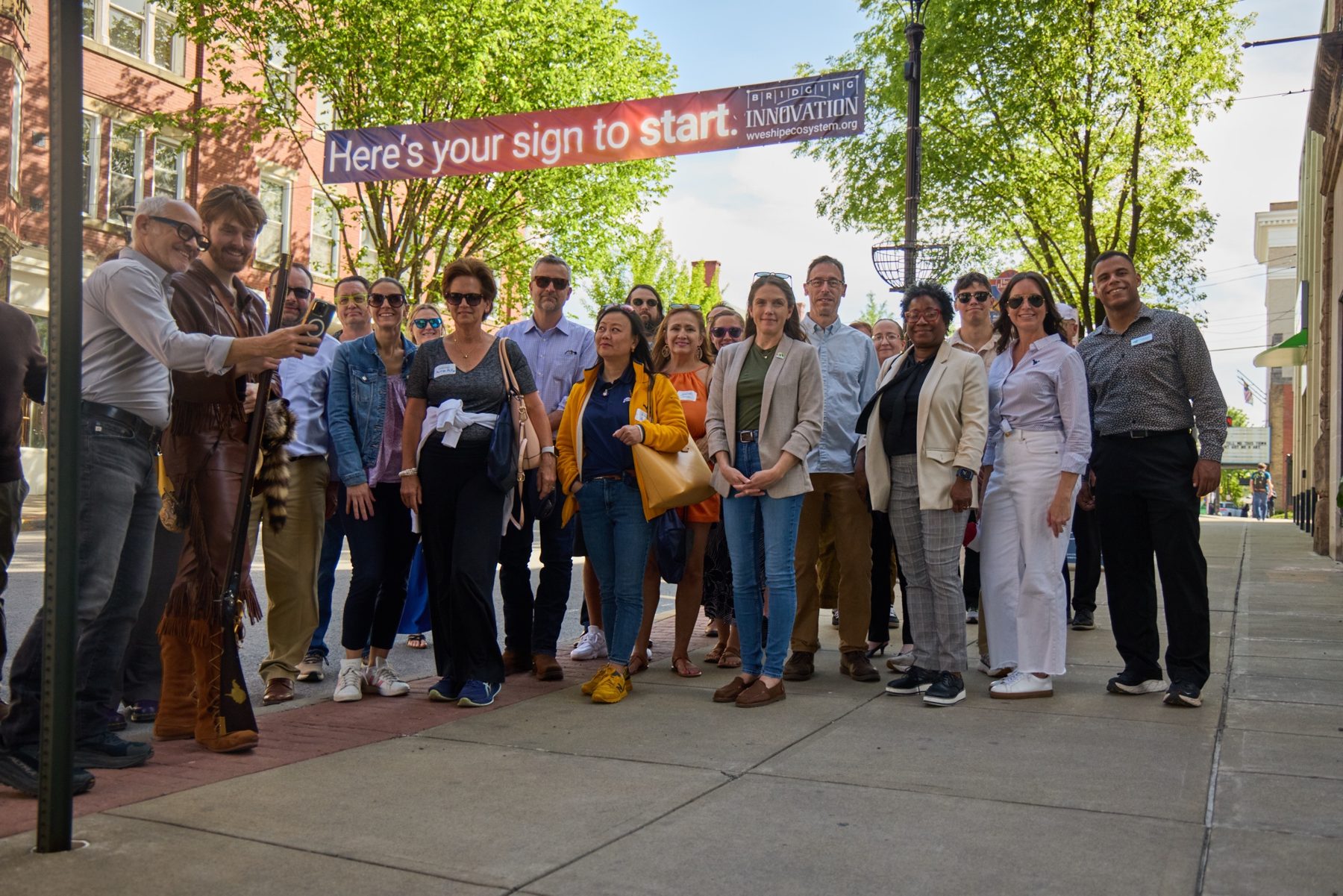
Last week, the West Virginia Entrepreneurship Ecosystem sponsored a delegation of West Virginia partners to ESHIP Converge, a national convening of people who build support systems for entrepreneurs. West Virginia showed up in force. We came home with four lessons.
We are further along than we think. West Virginians have a habit of selling ourselves short. Many of the models we heard about benefited from early state investment and a top-down structure from the start, and they are doing important work. Ours grew from the ground up, without dedicated funding, built by partners who chose to work together long before anyone called it an ecosystem. Peers from other states are now asking how we do it. We are not an ecosystem to be beaten. We are one worth studying.
Entrepreneurs belong at the table. The national conversation needs more of the entrepreneur's voice, and it is a strength we are proud of here. Our ecosystem is co-chaired by an entrepreneur (a 2026 WV Wonder Woman), and founders help shape our priorities, because they know best what it takes to build a business here. They don't just belong at the table. They probably built it.
We share the "why." The next chapter is the "what" and the "how." Across the field, there is broad agreement that entrepreneurs, and the ecosystems they operate in, matter. That shared belief is a gift. The questions ahead are practical ones: What should we measure? How can we not just connect, but collaborate across organizational lines? And who is this ecosystem really serving? If the answer isn't entrepreneurs, we're doing it wrong.
We have to measure what matters. How do you measure the impact of an ecosystem? It is harder than it sounds. Some of what matters most to entrepreneurs isn't tracked at all. And when several partners serve the same business, as they should, each one counts the win, so our combined numbers can add up to more than what really happened. No state has fully solved this. West Virginia can be the first. We have the relationships, the infrastructure, and a habit of working together. With our network of partners at the table, we can set the national standard for how an ecosystem shows its worth.
Saturday, and every day after
So here is our ask this holiday season.
On Saturday, shop local, and tell the owner why you came. Consider how your work connects to the entrepreneurs in your community. If you are a founder who has found success, consider giving back to the ecosystem that helped raise you. And if you care about how we measure progress, join us in the conversation.
West Virginia does not need to wait for anyone to write the playbook on entrepreneurship-led economic development. In a lot of ways, we are already writing it. For that, and for every person who bets on this state by building a business here, we are truly thankful.
Amber Ravenscroft leads the West Virginia Entrepreneurship Ecosystem, a statewide network connecting entrepreneurs, support organizations, capital, and civic partners. She is the founder of Bridging Innovation Institute and an Appalachian native. Learn more at wveshipecosystem.org.